Anthony Gormley
the human body in space
Art has always been an expression of the human consciousness, its needs, desires and concerns and it has always offered us a privileged channel towards the interpretation of our mind. What happens when it is the human body that is represented rather than the intangible sensations and thoughts it produces? What happens when the body in its physical, spatial presence becomes the protagonist of the artistic act?
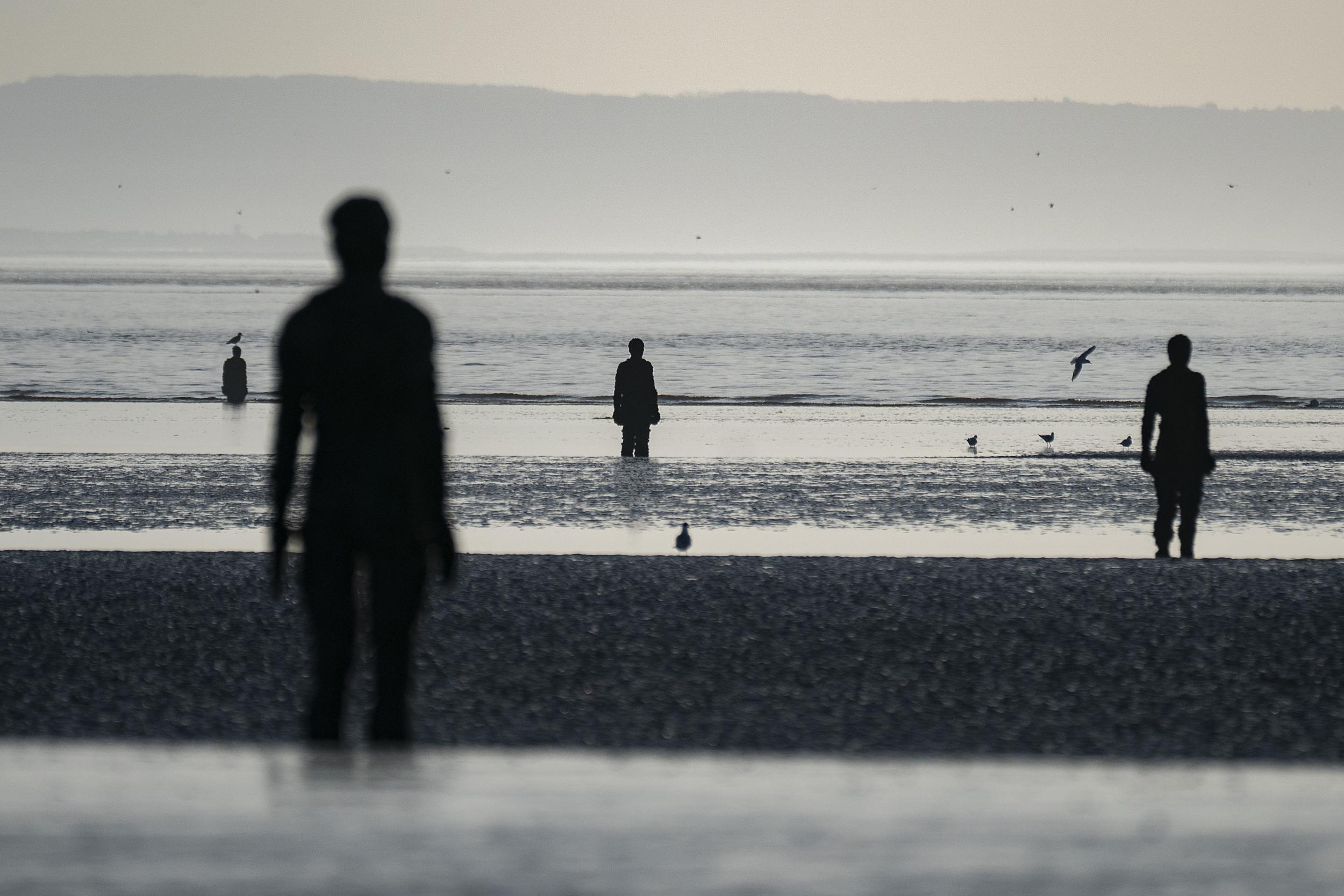
The British artist and sculptor Anthony Gormley has always developed his artistic practice in relation to the human body, interpreted not only as a physical entity defined in space but as a space in itself too, with which the observer can interact and talk. Even before starting his creative studies at Central Saint Martins College of Arts and, later on, at Goldsmiths College of Art, his academic interests (anthropology and archeology at Trinity College in Cambridge) investigated the relationship between men and their surroundings.
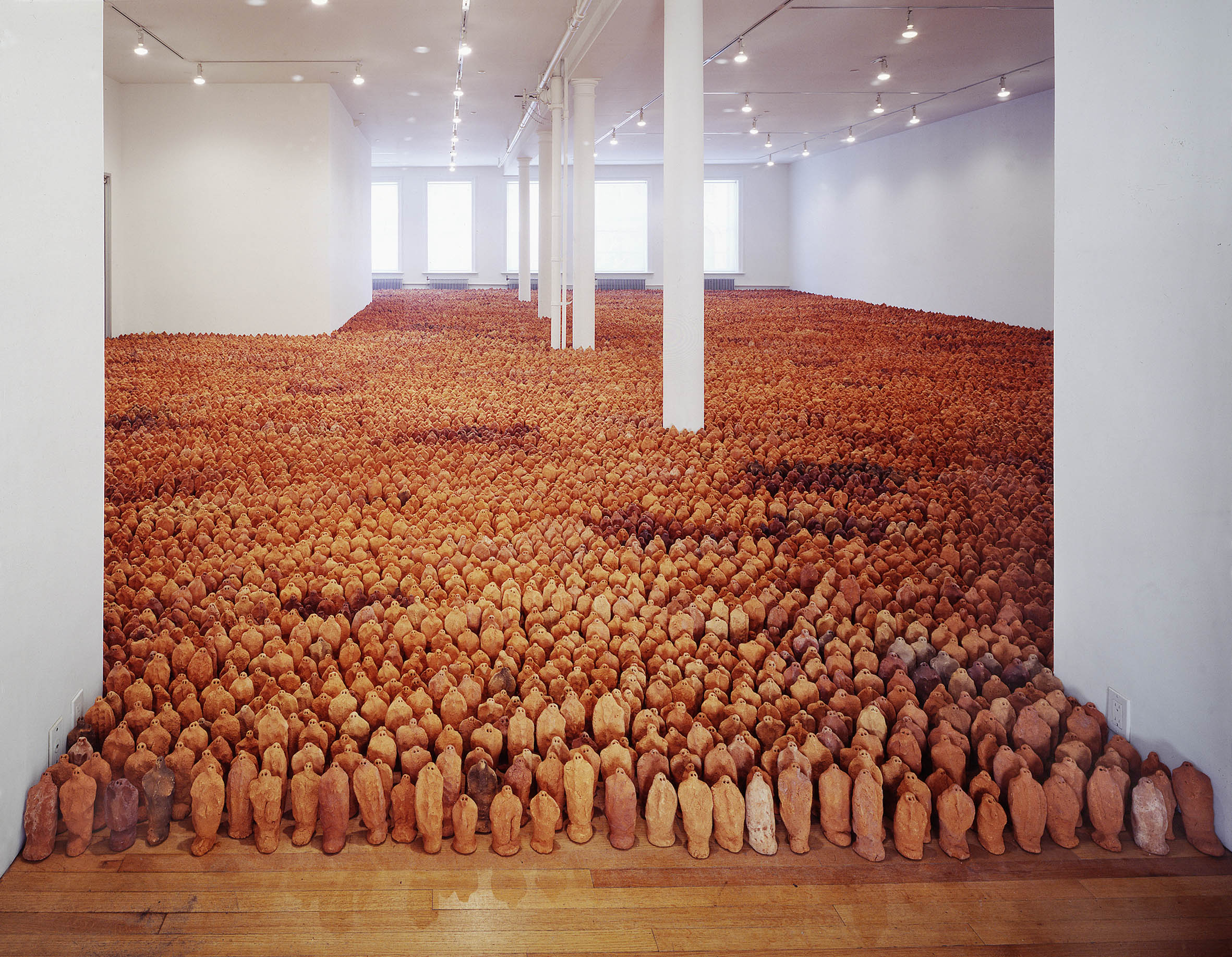
In fact, Gormley’s sculptures often seem to be ancient constructions made by remote and unknown people, raw and shapeless matter temporarily stuck in a human form that the artist obtains by producing plaster casts of his own body in an infinite variety of positions.
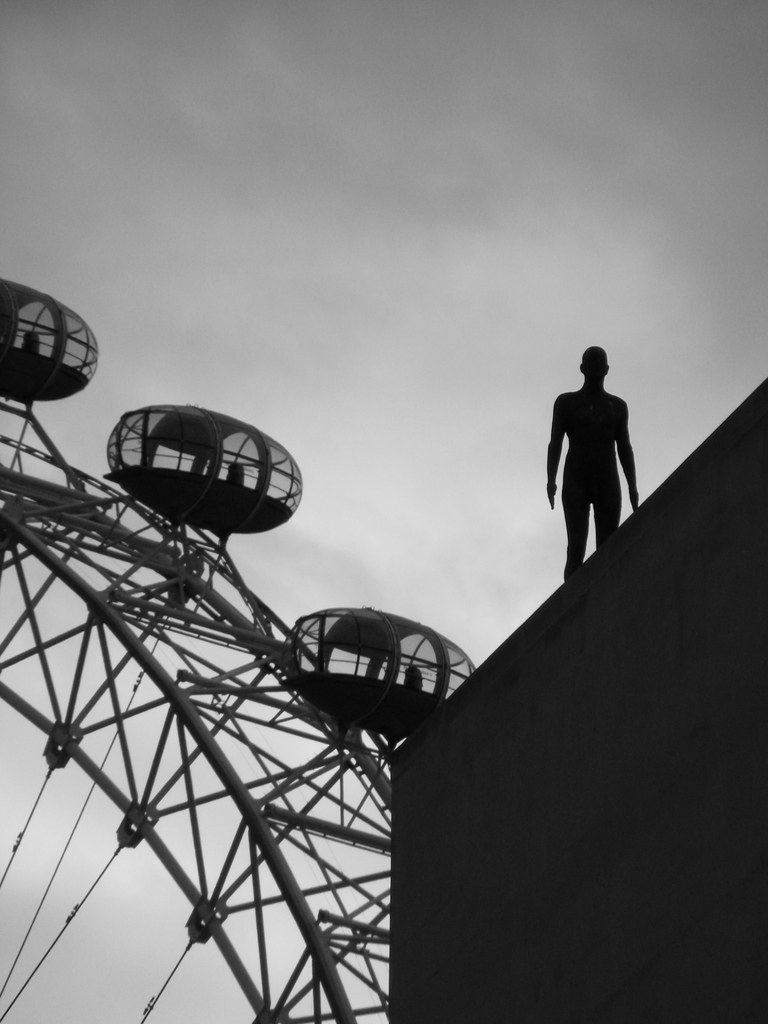
An example, as well as one of his most famous large-scale works, is “Event Horizon”, consisting of 31 full-size casts of the artist’s body, produced in iron or fiberglass, which have been scattered in between the buildings of South Bank in London in 2007 and subsequently moved to Madison Square, New York in 2010. The aim of the work was to arouse curiosity in the people who daily lived those streets and buildings, pushing them to look around and observe the space and, in doing so, increasing their awareness on their own physicality and, by extension, their role in the urban fabric.
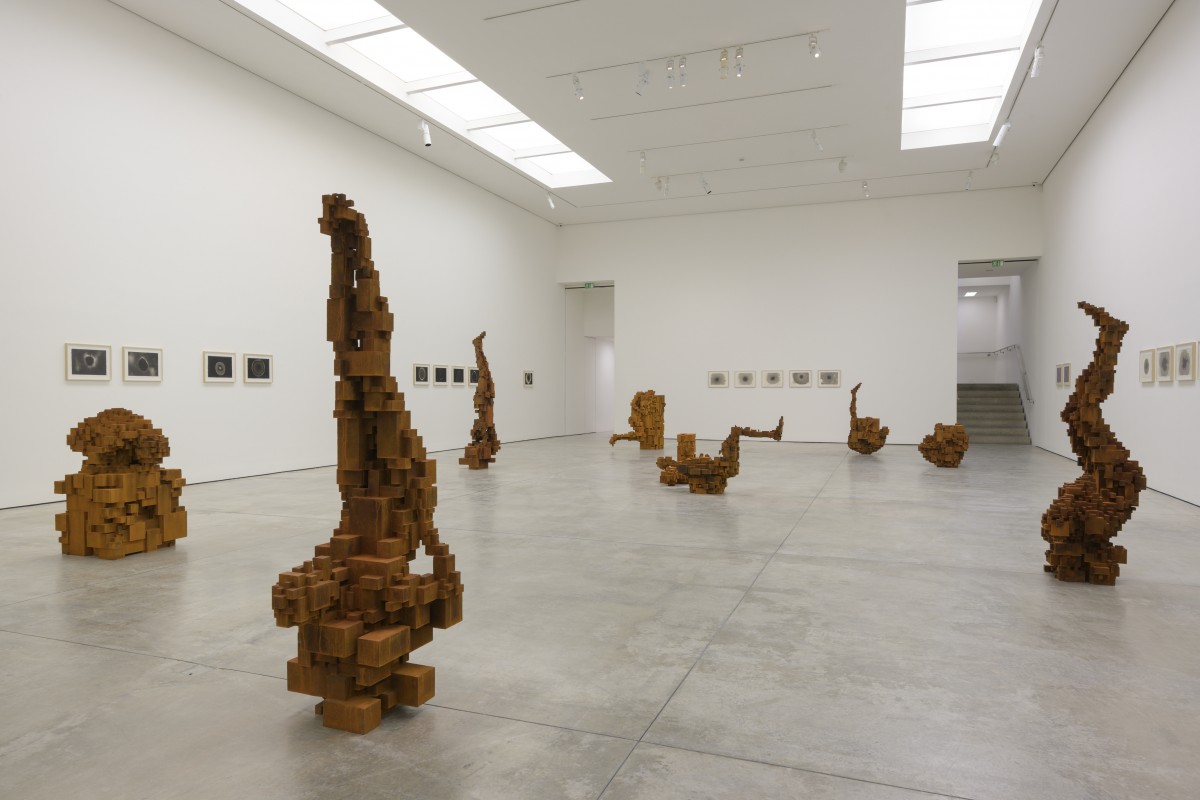
Created starting from the same concepts but with different appearance is the series of sculptures “Cube Works”, produced between 2012 and 2018 and made up of a series of cubes and parallelepipeds juxtaposed together to form pseudo-human figures, some more realistic, others more abstract and almost incomprehensible. The work, exhibited at the White Cube in London as part of the “In Formation” exhibition in November 2019, offers a modern and “inverted” version of the ancient Greek caryatids: in fact, instead of standing up to support heavy architectures, the bodies lay on the ground or leaned on the walls, looking for support.
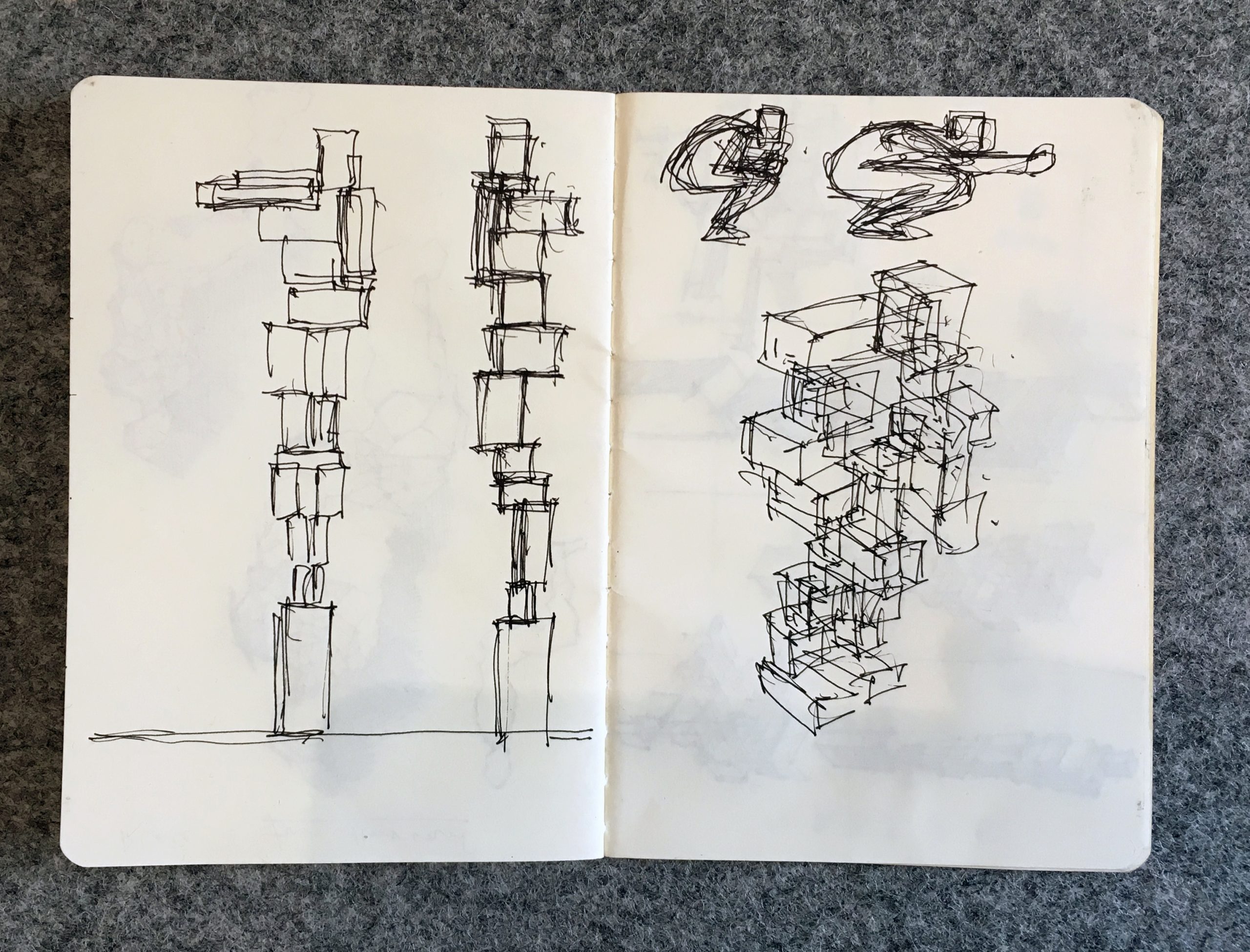
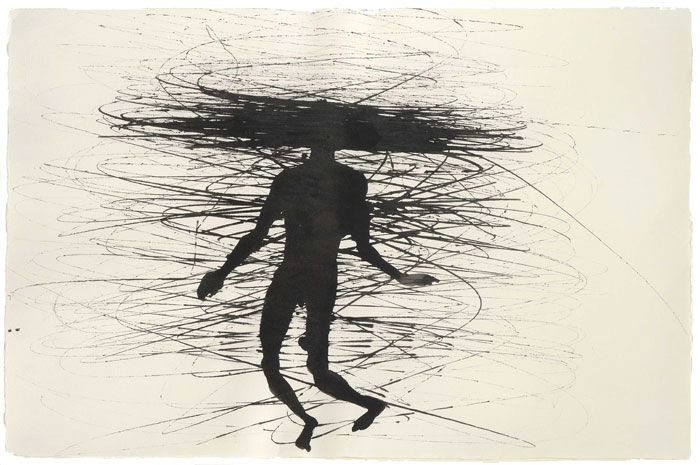
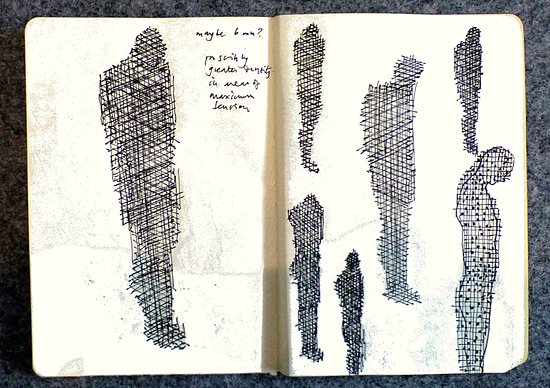
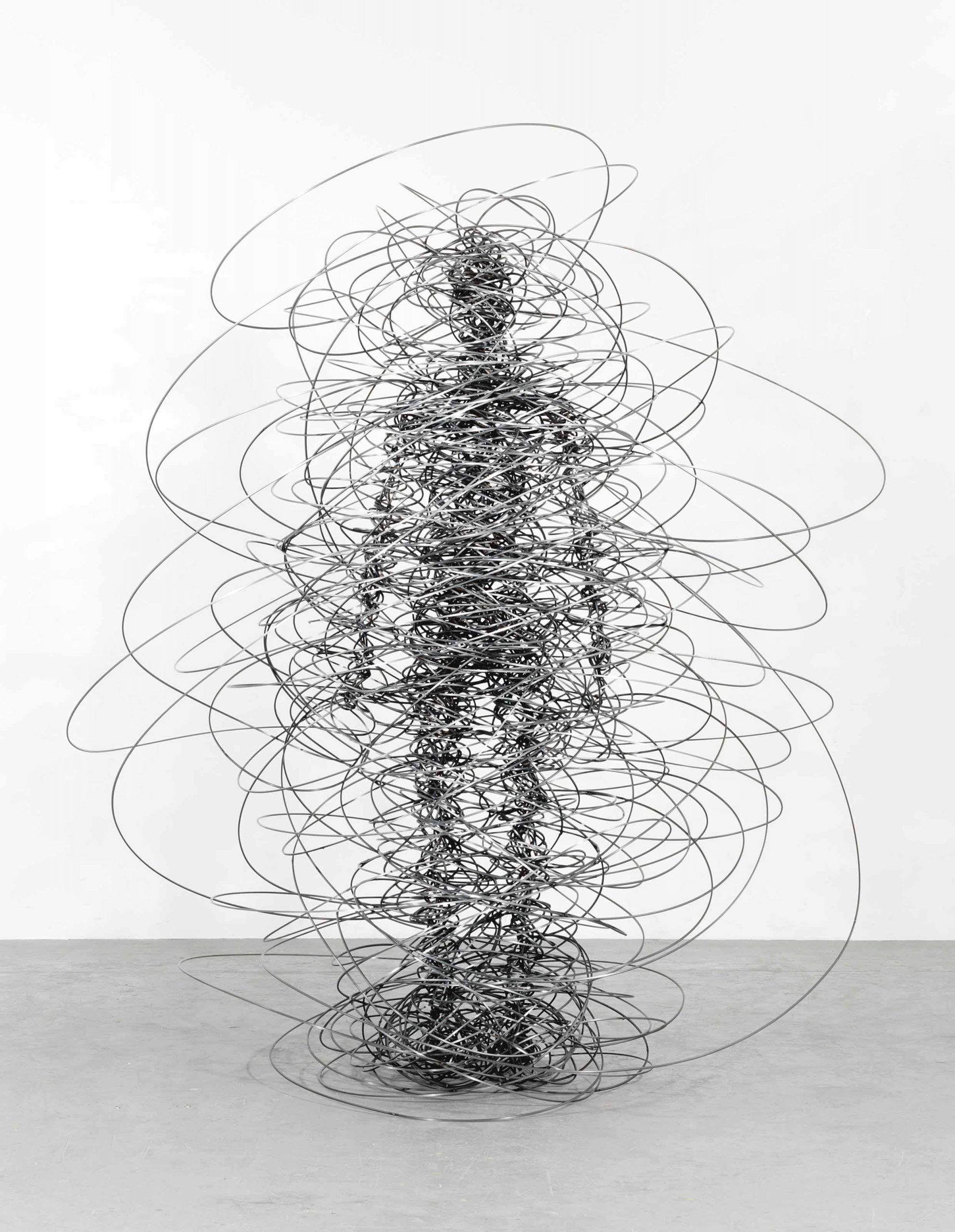
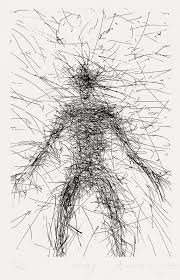
Many of Gormley’s creations, whether made out of heavy clay or created with light metal threads intertwined one with the other, whether they are human-sized or gigantic silent creatures in the landscape, they almost always take shape on paper first, with a pencil or charcoal.
It is in fact by observing the vast production of sketches and drawings that it is possible to understand the ideas behind the most famous works, noting the small but fundamental changes and evolutions that have transformed a few strokes on paper into a finished pece of work.
It is no coincidence, in fact, that during his last solo exhibition held at the Royal Academy of Arts in London in 2019, an entire room, more or less located in the center of the museum, was dedicated to his drawings and that this was one of the most crowded areas of the exhibition, where hundreds and hundreds of visitors filled the rooms of the museum (unfortunately too much!) to admire his thoughts down on paper and perhaps reflect on the questions and human existential conditions that Gormley asks through his art: who are we? where do we come from? what do we belong to?