Gender expression in the history of Art
Art has always been one of the most interesting places where to have a look at humanity and its questions, thought, beliefs and fears even in relation to the time, the location and the kind of society the artist was living in. The representation of human gender, and its infinite and shaded meanings, is an ongoing and recurring theme in the history of art, especially and not surprisingly during the last century, side by side with a growing consciousness and awareness on its social and cultural nature. This is, in fact, one of the reasons why the crossing between gender and art has resulted in an incredibly vast range of artistic expressions across basically every existing kind of media. Sometimes the artworks explore the gender binary (still today, unfortunately, the most diffuse way of perceiving gender) and its differences, or tap into the same topics to challenge them and show their loose borders.
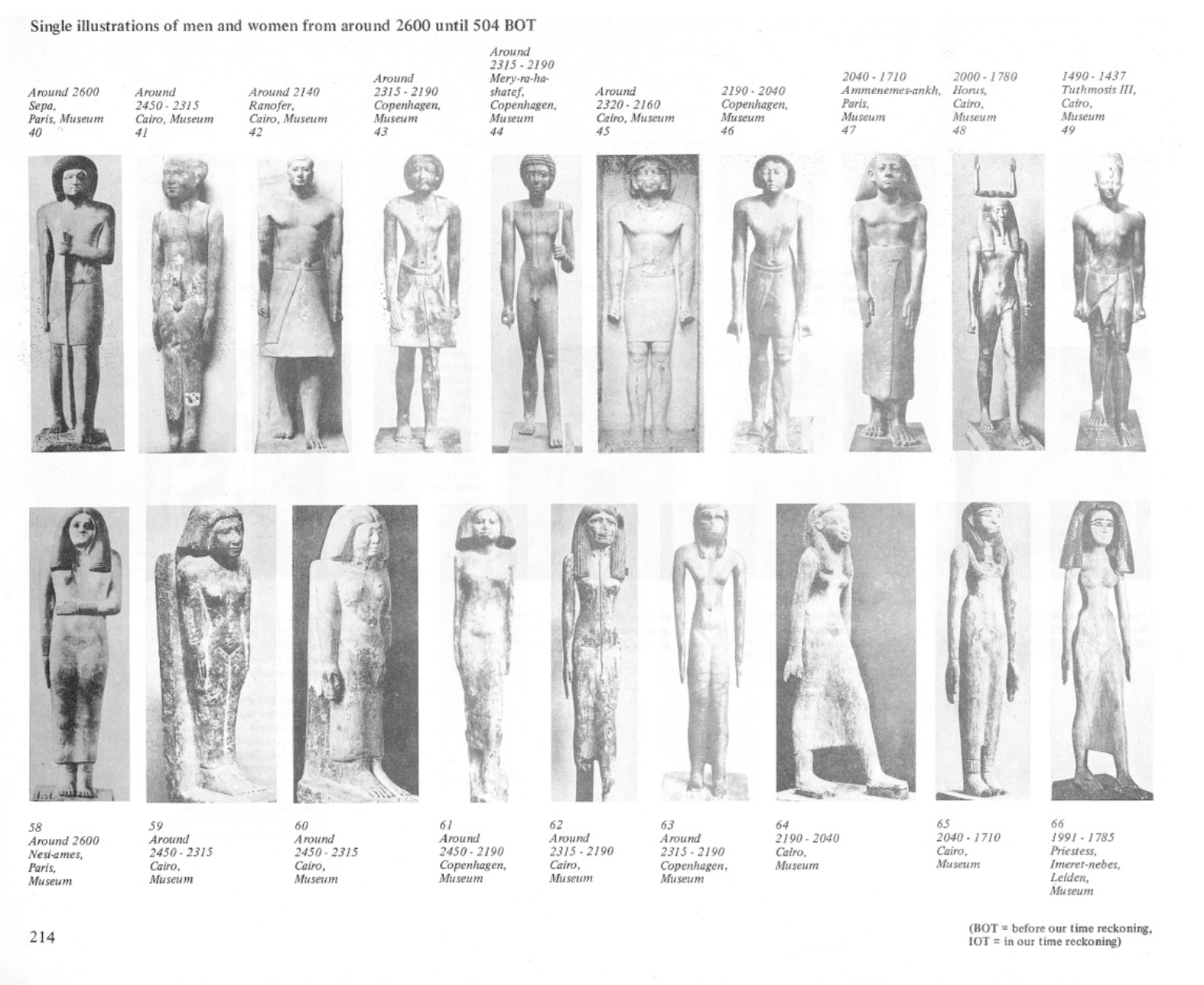
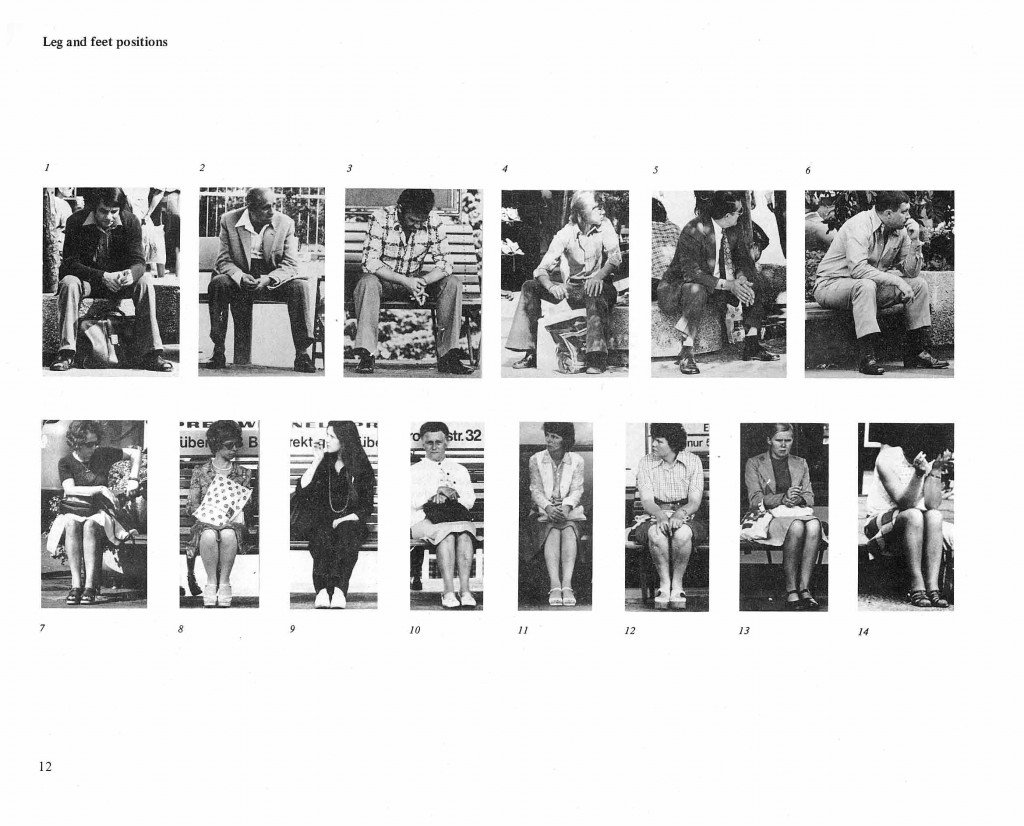
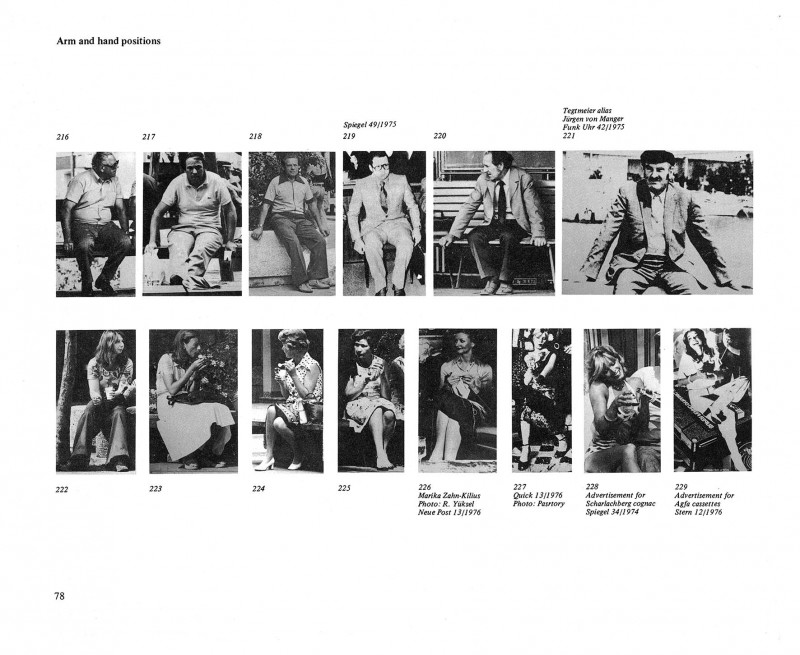
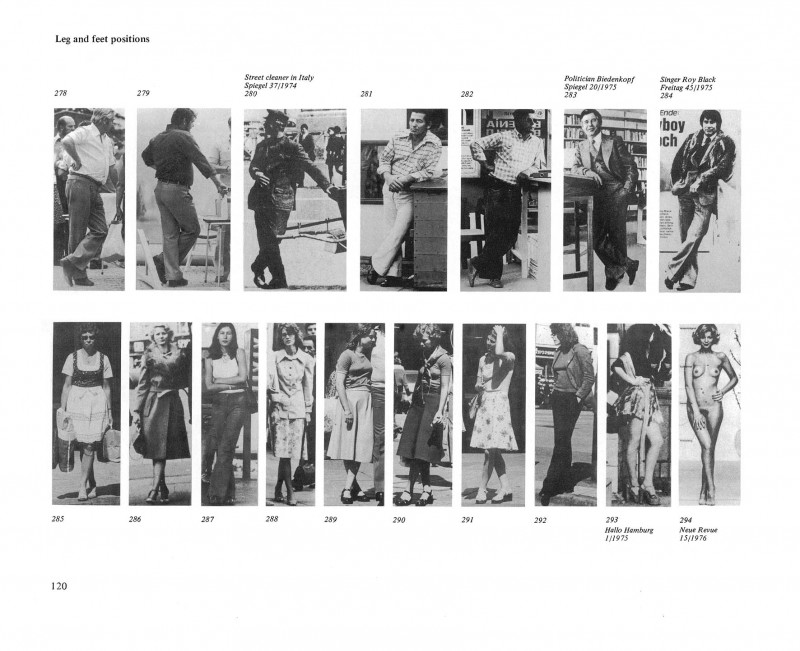
The visual exploration conducted by Marianne Wex, for example, explores the body positions of men and women while seating or standing in relation to space highlighting gender through the lens of body movements and attitudes. The second part of her work goes back in history and analyses the representation
of the gendered body in ancient cultures proving that men and women statues posed in almost the same way and that the shifting between them happened later, around the 19th century.
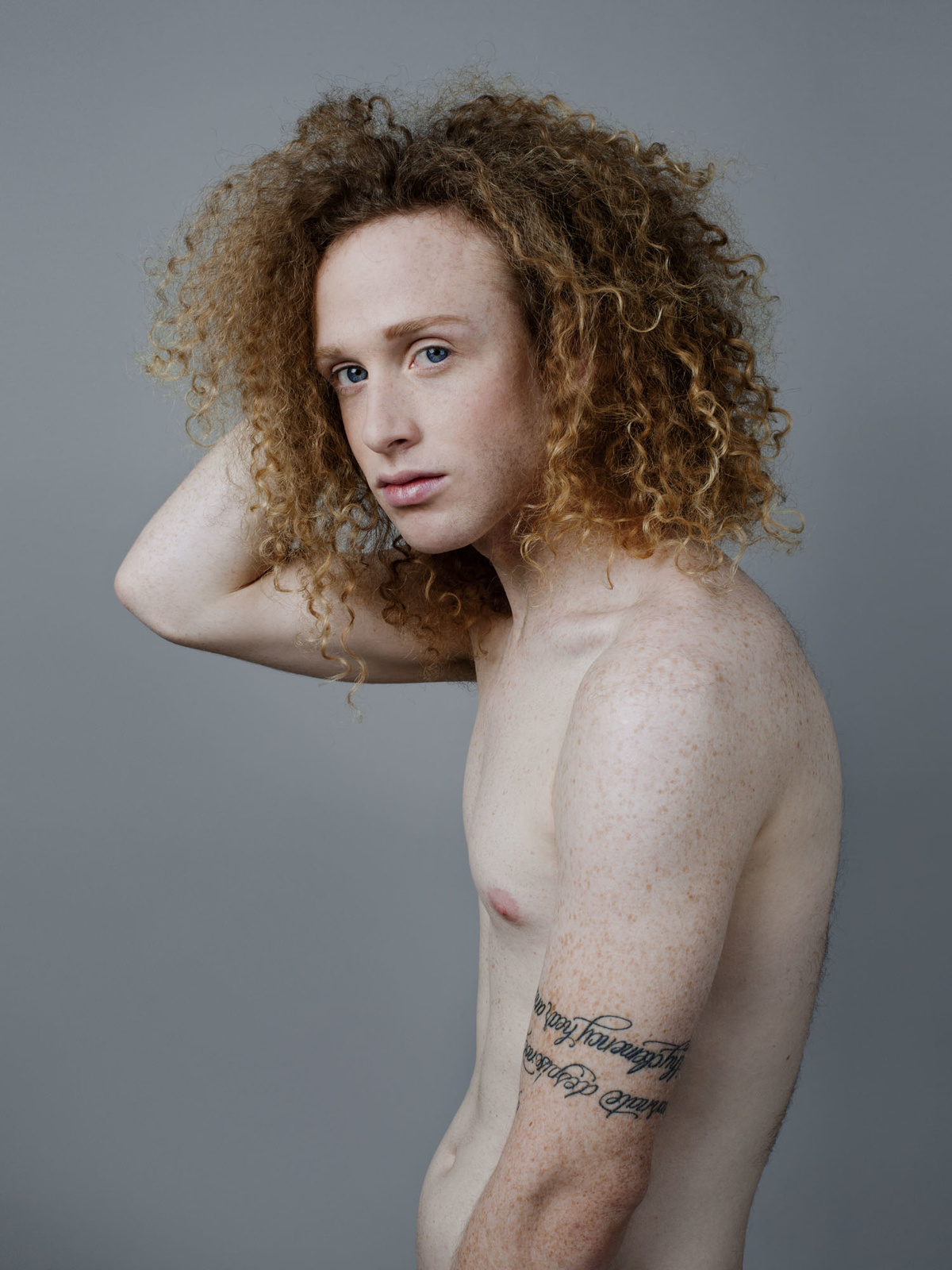

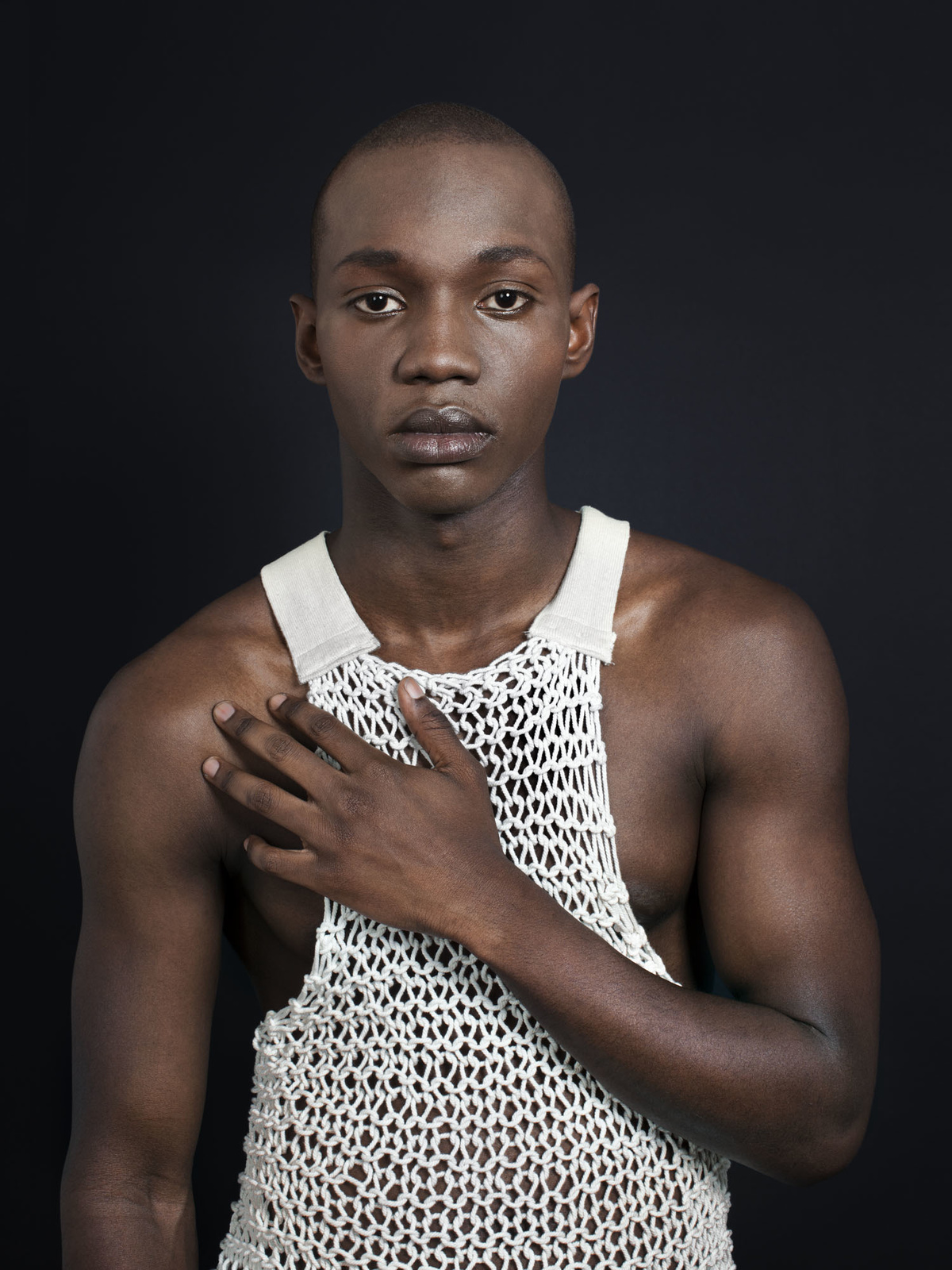
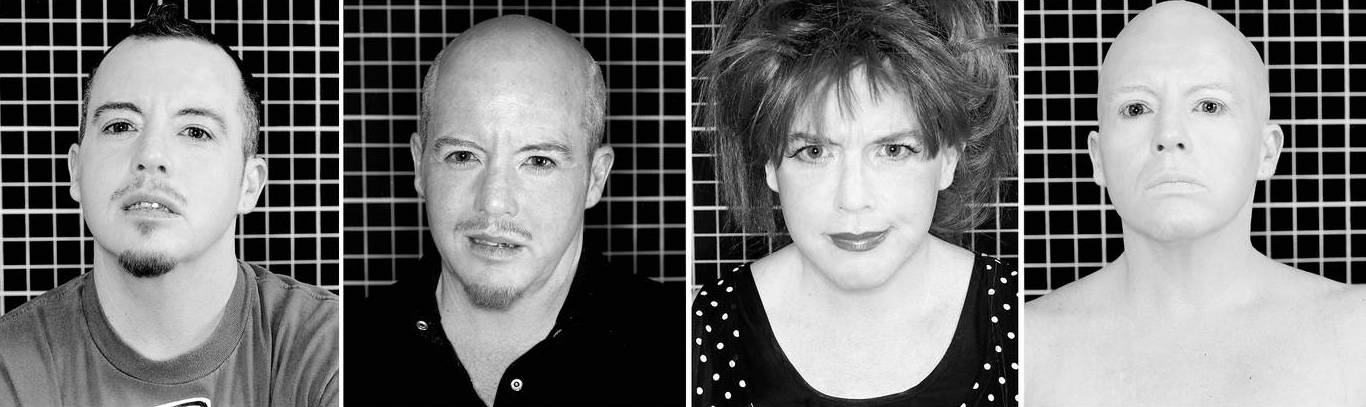
Sophia Wallace’s photographs, taken more than 20 years later, offer a slightly different analysis that allows the discourse to tap into the concept of gender fluidity and the representation of it. The photographer, in fact, was more concerned with the concept of gendered aesthetics and the idea of beauty in relation to the position of the body instead of its attitude in the space and, in order to explore the topic, she asked some male models to pose as female ones would do, to feel vulnerable and emotional. The resulting pictures lead the artist to propose that “the “feminized” male body has the potential to interrupt heteronormative” (Wallace, 2018) representation of gender.
“I asked the models to look away – to be looked at. I also asked them to hold their arms close to their bodies as if they felt vulnerable (…) following this direction was not “natural” for most of them”. (Wallace, 2018)
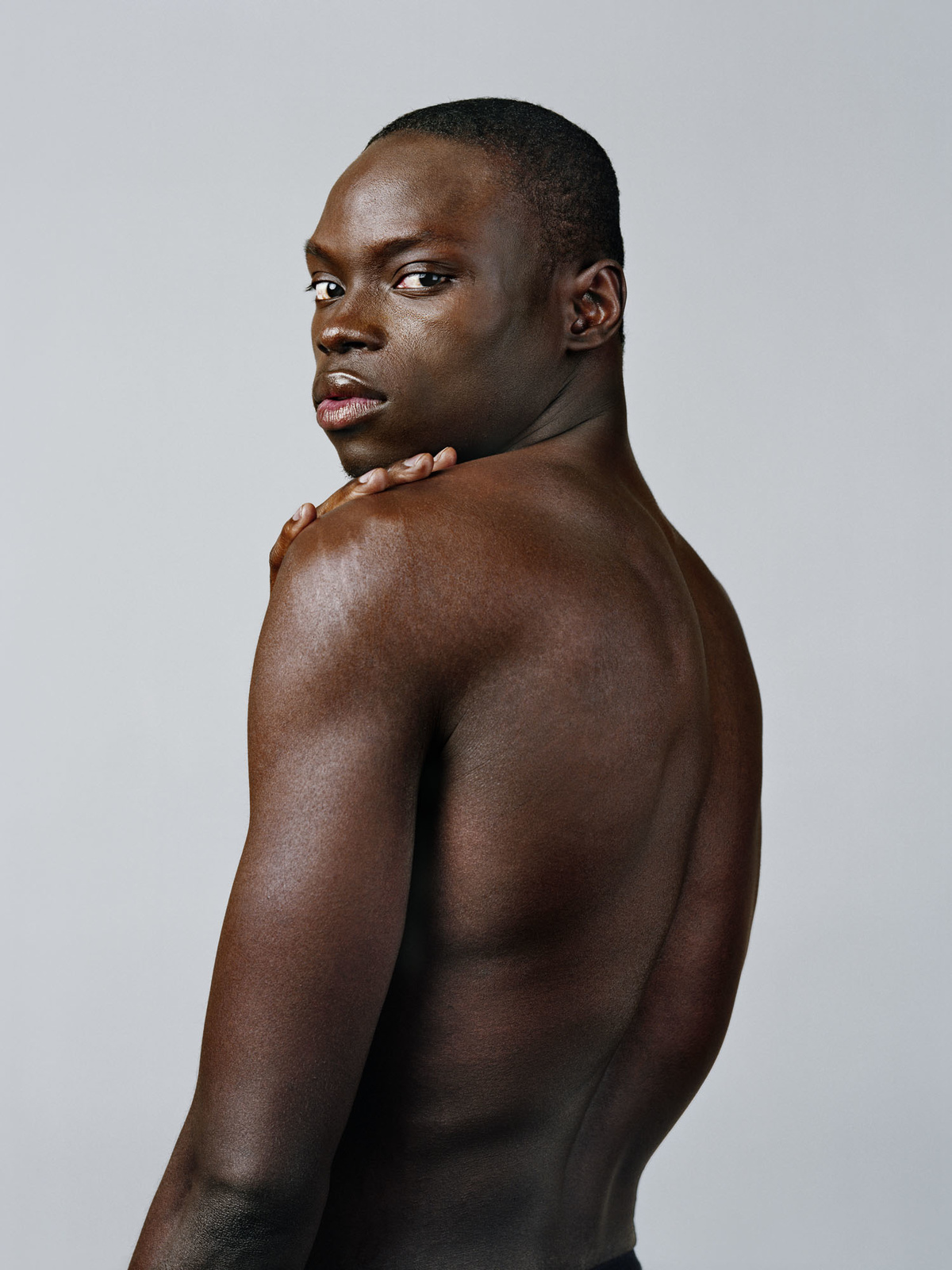
Her work is a striking example about the close connection between art and society as well as as on the role that art can play in the shifting of old-fashioned and anachronistic beliefs. By taking a look at her pictures it seems that some of the contemporary issues on gender representation could be tackled by deconstructing the binary body appearance. Breaking down to pieces and reassembling was no stranger practice to many gender-fluid artists who, understandably, found their own body to be the perfect playgrounds for both artistic experimentation and self-exploration.


A further step was made by Sandra Mann who addressed the same issue by pushing on the dichotomy even more: human genitals, or highly gendered characterised elements of the body, are cut out from paper and overlapped on other bodies of the opposite sex, creating perceptual confusion.
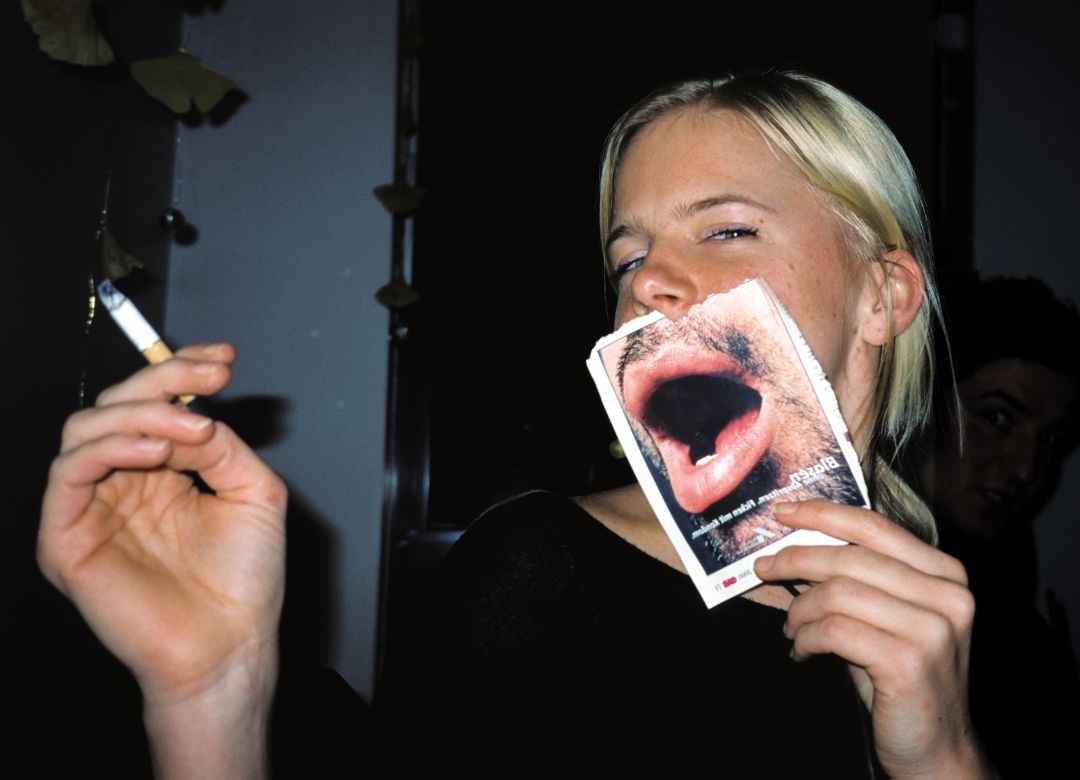

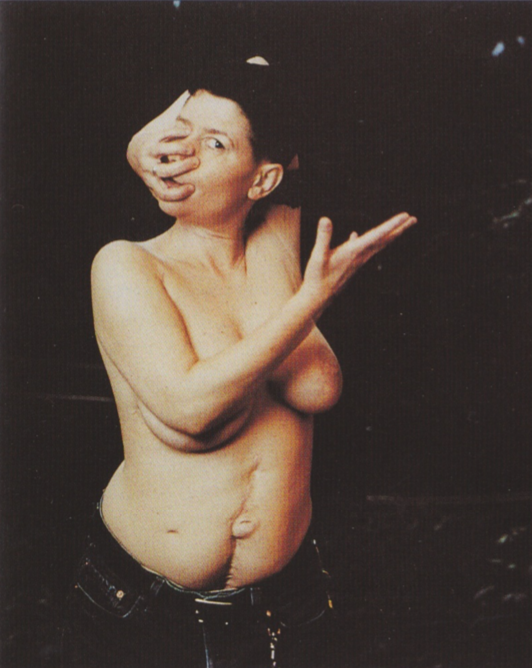
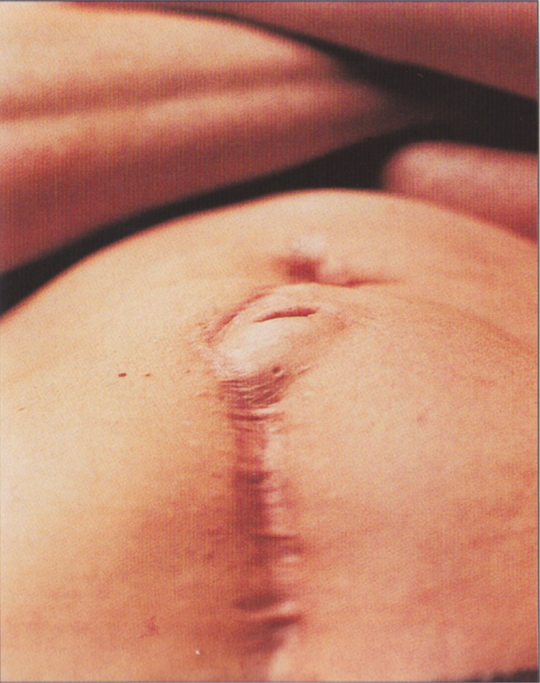
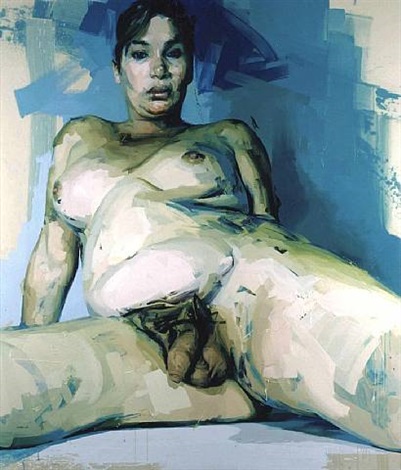
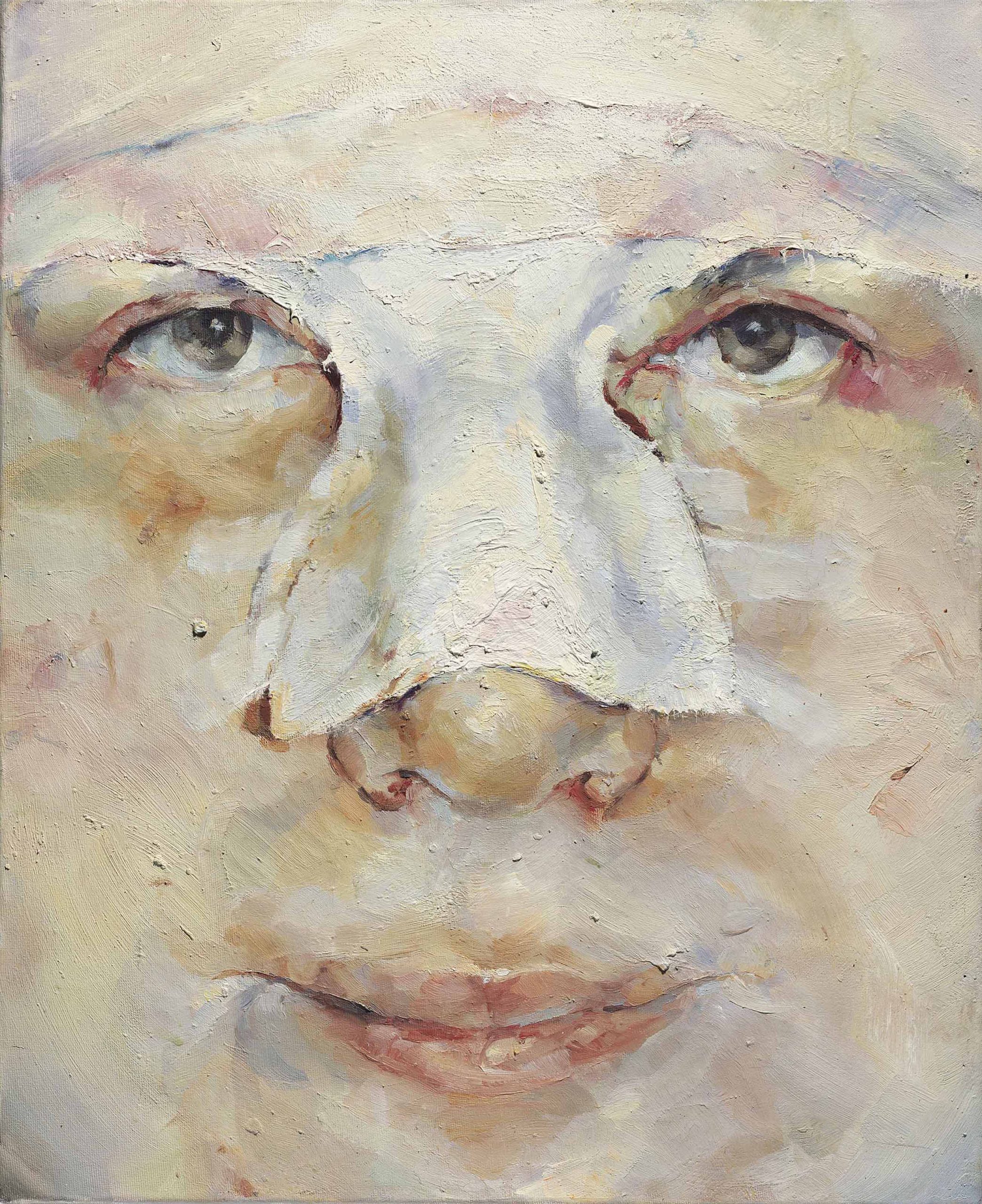
The same confusion, combined with sufferance and disturbance, is what the viewer can read through the paintings of Jenny Saville or Del LaGrace Volcano’s shots where the cutting and collaging of humans parts reaches its climax by being applied into “real” human flesh.
The humans pictured by these artists have undergone a body transformation resulting in “a hermaphrodite (…), a carcass” emanating “a sort of state in-betweeness” (Saville, 2018), not differently to what, in real life, intersex or transsexual people do in order to “construct and reconstruct their (…) identities, and sexualities” (Cromwell, 2006) through medical interventions, genitoplastics and hormone treatments.
These two photographs speak about their pain and sufferance through the harsh representation of scars, indelible signs of a self-identity research that has been conducted on the body itself while Cindy proposes a contemporary Frankenstein, a body – an identity – created from other pieces and merely accepted by the society.